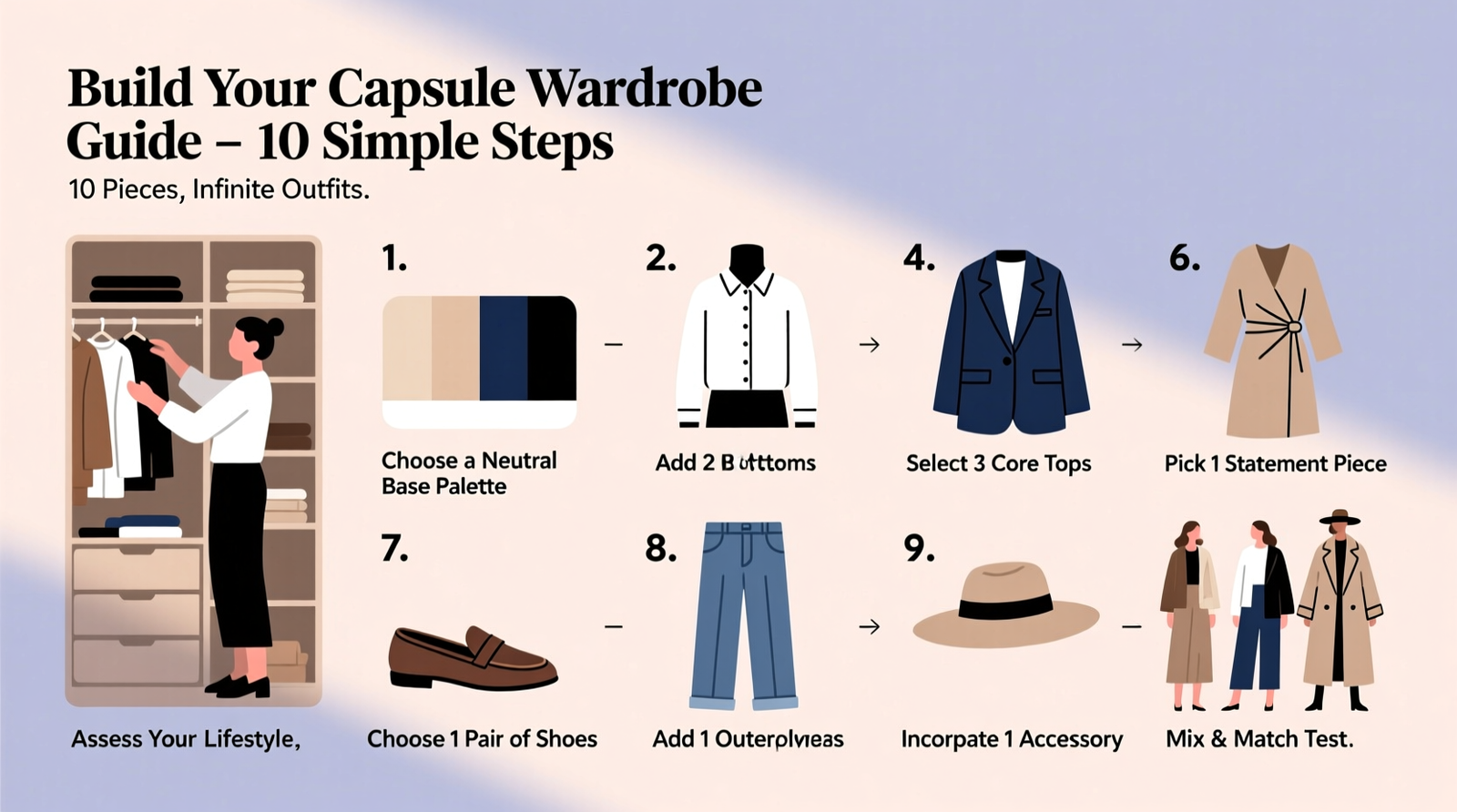
A useful wardrobe is not measured by how many clothes it contains. It is measured by how often the pieces suit your real week, feel comfortable, and work together without requiring a complicated decision each morning. Building that kind of wardrobe can start with what you already own: notice the items you reach for, the fits you like, and the situations your current clothes do not cover.
This guide offers a flexible way to think about men's everyday clothing. It is not a strict list of required garments or a rule about how anyone should dress. Personal style, climate, budget, work expectations, and comfort all matter. Use the ideas that fit your life and leave the rest.
Start with your routine
Before shopping, consider a typical week. Think about work or study, travel, time outdoors, social plans, and the weather where you live. A wardrobe for a warm climate may need breathable fabrics and lighter layers, while a colder region may call for insulating outerwear. Your daily activities are a better guide than a generic list of essentials.
- Write down the settings you dress for most often.
- Identify the clothes you wear repeatedly and why they work.
- Notice gaps, such as a comfortable layer or a smart-casual option.
- Set a spending limit and replace items only when there is a clear need.
Choose a comfortable fit
Fit affects how a garment looks and how often you will want to wear it. Check the shoulders, sleeve length, rise, waist, and overall movement rather than relying on a size label alone. Sizing can vary between brands and garment cuts, so use the measurements and return terms shown for the particular item.
Check how it moves
When possible, sit, reach, and walk in a garment before deciding it fits well. A shirt that pulls at the buttons or trousers that restrict movement may stay unworn, even if the mirror view seems fine. Alterations can help with some small adjustments, but compare the cost and effort with choosing a better-fitting option from the start.
A practical fit check
Look at the garment from the front and side, then move naturally. Comfort and a clean, intentional shape are more useful than matching a particular trend or size number.
Build around compatible colours
A few colours that work together can make getting dressed simpler. Begin with shades you already like and wear. Neutral colours such as navy, grey, brown, cream, and olive can be easy to combine, but they are options rather than rules. A favourite colour can serve as the starting point for the rest of the palette.
Before adding a new piece, consider at least two or three items it could pair with. This small check helps avoid buying a garment that only works with one outfit. Patterns and brighter colours can add personality; they do not have to be excluded from a versatile wardrobe. Balance them with pieces that suit your taste and the occasions you dress for.
Think about fabric and care
Read the material and care label before buying. Fabric affects texture, weight, breathability, warmth, and how an item should be washed. The best choice depends on the season and how you plan to use the garment. Consider whether you have the time and facilities for the recommended care, especially for items that require special handling.
Check construction details that matter for regular use: seams, fastenings, pocket placement, and lining.
Shop with a plan
Make a short list before browsing and compare like-for-like details. Look at the exact colour, measurements, material, condition, delivery terms, and return policy. The lowest displayed price does not always represent the full cost, and a discount is not useful if the item is not right for you.
- Choose one genuine wardrobe gap to address.
- Check garment measurements against something you already own.
- Read the material and care details.
- Confirm the total price, delivery, and return terms.
- Pause if the listing leaves a key question unanswered.
Buying fewer pieces can be helpful when it reflects thoughtful choices, but there is no single correct wardrobe size. Focus on the clothes you can comfortably wear and maintain within your budget.
Care for what you own
Simple care habits can keep clothes ready for the next wear. Follow the label, avoid washing items more often than needed, and let garments dry as directed. Store seasonal pieces clean and dry, and repair a loose button or small seam issue before it grows. Care instructions vary by fabric, so avoid applying one method to every garment.
At the same time, review what no longer suits your routine. Repair, rewear, donate, or recycle items through a suitable local option where available. Keeping useful clothes in circulation can be more practical than replacing them automatically when a trend changes.
Make it personal
A versatile wardrobe should make your own choices easier, not make everyone look alike. Start with your routine, pick fits that feel good, and choose colours and details you genuinely enjoy. Add pieces gradually, check the listing carefully, and give yourself room to refine your preferences.
The most useful wardrobe is the one that works for the person wearing it. A few considered decisions can help you dress with less friction while keeping your style personal and comfortable.